

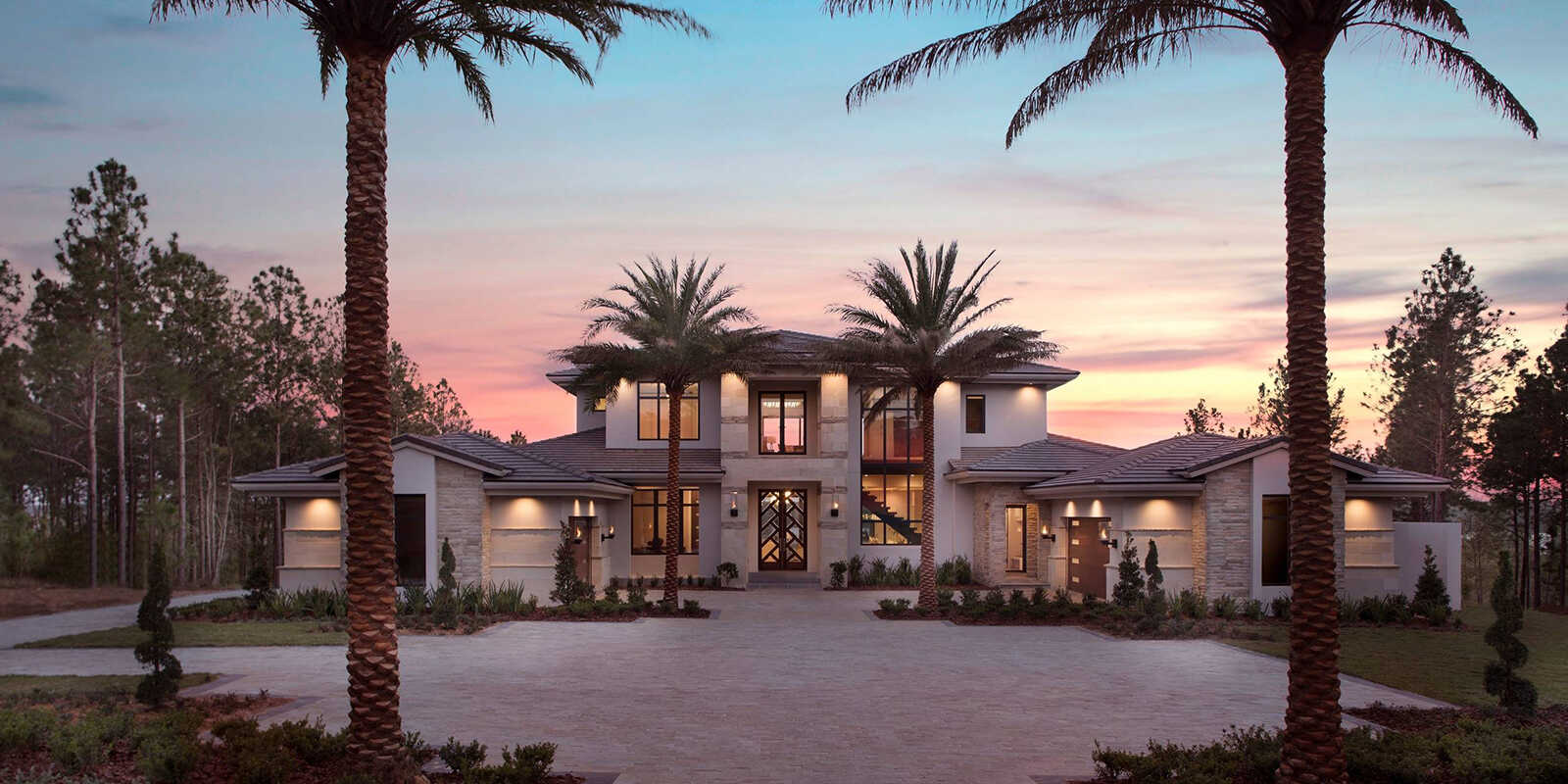
A luxury property can miss its mark by hundreds of thousands of dollars before the first showing if the valuation is off. In a market as layered as Central Florida, orlando luxury home valuation is not just about square footage, bedroom count, or what a nearby home sold for last month. It is about understanding how location, architecture, privacy, renovation quality, buyer demand, and financing realities interact at the top of the market.
For owners considering a sale, a precise valuation shapes everything that follows – pricing strategy, time on market, negotiation leverage, and final net proceeds. For buyers and investors, it helps separate true value from premium pricing that may not hold up under appraisal or resale pressure. In luxury real estate, the number is never random, and it should never be guessed.
What Orlando luxury home valuation really measures
At the luxury level, valuation is not the same as a basic comparative market analysis built for a standard suburban home. High-end property values often sit inside a narrower buyer pool, and that means the margin for overpricing or underpricing can be significant.
A proper Orlando luxury home valuation measures market value through the lens of qualified buyer behavior. That includes what comparable buyers have recently paid, what active competition is asking, how unique the subject property is, and whether the home offers features that are truly scarce in its submarket. A lakefront estate in Windermere, a fully renovated historic residence in Winter Park, and a modern custom build in Lake Nona may all carry premium pricing, but the drivers behind that pricing are very different.
This is where many automated estimates fall short. They may be useful as a starting point, but they do not reliably account for gated community prestige, golf frontage, chain-of-lakes access, detached guest houses, imported finishes, lot orientation, or the quality of a recent redesign. In luxury real estate, details create value, and missing those details distorts the number.
Why standard comps are not enough
Comparable sales still matter. They are the backbone of valuation. But in the upper tier of the Orlando market, finding the right comps is harder than many sellers expect.
A sale in Dr. Phillips may not be relevant to a similar-sized home in Winter Park if the architectural pedigree, lot setting, and buyer profile are different. Even within the same ZIP code, a home on a signature street can command a premium that does not translate one neighborhood over. New construction also complicates valuation because builders may include incentives, lot premiums, and upgrade packages that are not obvious in public sales data.
Luxury valuation also has a timing issue. In some segments, there may be only a handful of truly comparable sales within the last six to twelve months. When that happens, valuation requires judgment, not guesswork. Adjustments must reflect market movement, inventory pressure, and the broader economic context affecting affluent buyers, including interest rates, stock market performance, and relocation trends.
The factors that move value in Orlando’s luxury market
The most meaningful drivers of value are usually not the most obvious ones. Size matters, but quality, placement, and rarity often matter more.
Location inside the location
Luxury buyers do not just buy a city. They buy a specific lifestyle within that city. In Orlando, value changes quickly based on whether a home is in a guard-gated golf community, on skiable water, near a medical corridor, in a walkable downtown district, or tucked into an established luxury enclave.
A lakefront home in Windermere may command a premium for private dock access and sunset orientation. In Winter Park, value can rise based on proximity to Park Avenue, lot width, and whether the street carries long-term prestige. In Lake Nona, buyers may pay more for newer construction, wellness-oriented amenities, or convenience to Medical City. The point is simple: location is not broad. It is hyperlocal.
Lot quality and privacy
At the luxury level, land contributes heavily to value. Corner exposure, rear privacy, water frontage, preserve views, elevation, mature landscaping, and distance from neighboring homes all influence pricing. Two homes with similar interiors can perform very differently if one sits on a premium homesite and the other backs to a busy road.
Privacy also carries weight. Many luxury buyers are executives, physicians, professional athletes, or public-facing individuals who value discretion as much as design. A home that feels shielded, secure, and quiet may outperform a technically similar property in a less private setting.
Construction quality and design integrity
Not all renovations add equal value. A home can be expensive without being truly elevated. Buyers at the top of the market notice whether a property has cohesive design, quality materials, and a floor plan that reflects current lifestyle expectations.
Chef’s kitchens, spa-style primary suites, indoor-outdoor living, resort-caliber pools, smart home integration, detached offices, and multigenerational flexibility all matter. But execution matters more than the checklist. A dated estate with expensive square footage may still trade below expectation if the layout feels heavy, dark, or inefficient.
Community reputation and buyer demand
Some communities consistently draw stronger demand because they have built a reputation over time. Guard-gated access, club amenities, golf membership appeal, school patterns, and proximity to private education or executive employment centers can all influence valuation.
The buyer profile matters too. A neighborhood favored by relocating executives may behave differently from one driven by second-home buyers or local move-up families. Understanding who is most likely to buy a property helps define where value should land and how aggressively it can be positioned.
Appraised value versus market value
This distinction matters, especially when financing is involved. Market value reflects what a ready, willing, and qualified buyer may pay in current conditions. Appraised value reflects a lender-supported opinion of value based on available data and underwriting standards.
In luxury real estate, the two can align, but not always perfectly. Unique homes often challenge appraisers because there may be fewer directly comparable sales. Cash buyers sometimes push pricing beyond where financed transactions comfortably land. On the other hand, a home may appraise well on paper yet sit on the market if the lifestyle offering does not match current buyer preferences.
That is why pricing strategy should account for both possibilities. Sellers need to know not only what the home is worth in theory, but how that value will hold up under buyer scrutiny, lender review, and negotiation.
When sellers get valuation wrong
Overpricing is the most common issue, but underpricing can be just as costly. Luxury sellers often anchor to construction cost, emotional attachment, or a neighbor’s aspirational list price. Buyers do not value a home that way.
When a property enters the market too high, it tends to lose momentum early. High-net-worth buyers are informed, and they compare aggressively. A stale listing invites lower offers, longer holding costs, and the perception that something is off. Price reductions can fix that, but usually after time and leverage have been lost.
Underpricing creates a different problem. In some cases, it can generate fast attention and competitive offers. In others, it leaves money on the table because the home’s scarcity or improvements were not fully understood. Precision matters because the first pricing decision shapes the entire negotiation cycle.
How a professional valuation should be approached
A credible valuation starts with data, but it should not end there. The process should include a close review of recent closed sales, active competition, expired and withdrawn listings, lot attributes, renovation depth, architectural style, and the likely buyer pool. It should also reflect current absorption trends in that specific segment of the market.
For example, a luxury condo downtown may need a different valuation framework than a custom estate in a gated Windermere community. Condo buyers may focus heavily on views, building reputation, HOA structure, and unit updates. Estate buyers may prioritize land, privacy, motor court design, and outdoor living features. The valuation model has to fit the asset.
This is where local expertise becomes practical, not promotional. A seasoned advisor can identify premiums that are real and discount assumptions that are not. Luxury Living Orlando approaches valuation with that lens because pricing a property well requires more than software – it requires direct market familiarity and transaction judgment.
What buyers and investors should watch for
If you are buying, valuation protects you from paying for upgrades that do not hold long-term value. It also helps you understand whether a property is fairly positioned relative to replacement cost, neighborhood ceiling, and future resale demand.
For investors, the analysis goes one step further. A luxury acquisition may still be an investment asset, but the exit strategy matters. Is the property best suited for long-term appreciation, executive rental demand, redevelopment potential, or a 1031 exchange objective? The right valuation looks beyond today’s asking price and considers how the market is likely to receive the asset later.
A thoughtful Orlando luxury home valuation is less about finding a single magic number and more about defining a defensible range based on evidence, scarcity, and buyer behavior. In a market where presentation and pricing carry equal weight, that clarity gives you an advantage before the next decision is made.