

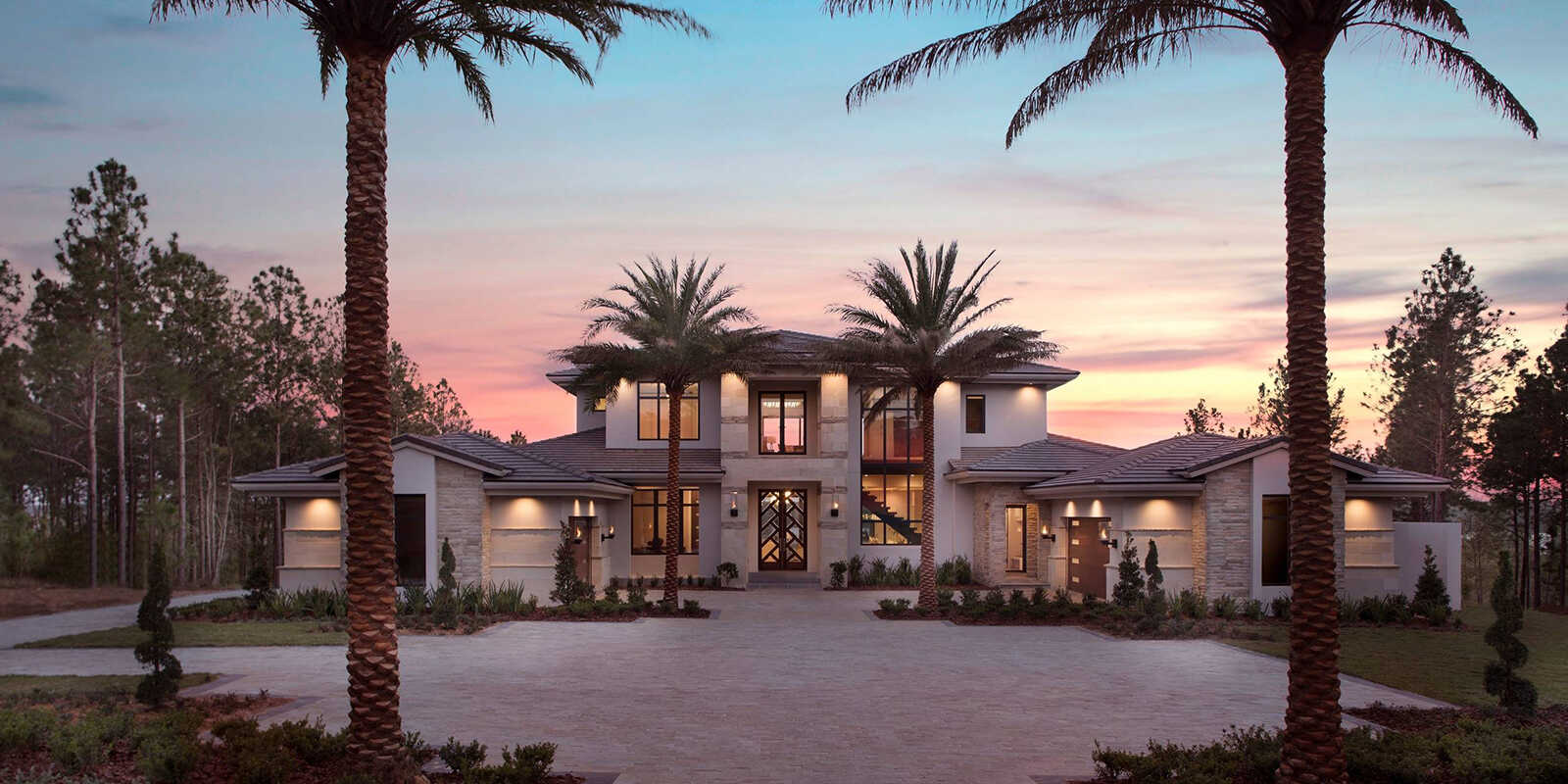
A luxury buyer touring homes in Windermere today is not shopping the same way they did even two years ago. Orlando luxury housing trends are being shaped by a more selective client, a more segmented inventory pool, and a sharper focus on long-term value rather than simple square footage. In this market, prestige still matters, but so do location efficiency, build quality, insurance considerations, and whether a property truly supports the way an owner plans to live.
That shift matters for buyers, sellers, and investors alike. In the upper end of the Orlando market, pricing is still important, but the real story is how demand is concentrating around a narrower set of features and neighborhoods. Properties that check the right boxes continue to command attention. Those that miss the mark can sit longer, even with a luxury address.
What Orlando luxury housing trends are showing now
The first clear trend is that luxury demand in Orlando is no longer defined by one profile. The market includes executives relocating from high-cost states, physicians seeking proximity to major medical corridors, professional athletes and business owners looking for privacy, and investors targeting premium rental or second-home opportunities. Each group enters the market with different goals, and those goals influence which areas are seeing the strongest traction.
Windermere and Dr. Phillips remain highly desirable for established luxury single-family living, especially for buyers who want gated communities, larger lots, lake access, and proximity to private schools, dining, and major roadways. Winter Park continues to attract buyers who value architectural character, walkability in select pockets, and a more refined, established setting. Lake Nona draws a different kind of luxury interest, particularly from medical professionals, technology-oriented buyers, and those who prefer newer construction and master-planned amenities. Downtown Orlando and select condo segments remain relevant, but buyers there are generally more focused on lock-and-leave convenience, views, and service-driven living.
The second trend is a stronger distinction between true luxury and homes merely priced in the luxury range. That gap is widening. Buyers at the upper tiers expect finish quality, cohesive design, meaningful outdoor living, and a floor plan that reflects how people actually use a home now. If a property has been updated, the updates need to feel intentional. Cosmetic renovations are less persuasive when compared with well-executed new construction or fully reimagined resale homes.
New construction still carries weight, but not in every case
Newer inventory continues to hold an advantage across many Orlando luxury segments, especially in communities where buyers want energy efficiency, contemporary layouts, and less immediate maintenance. Smart home integration, hidden service spaces, prep kitchens, dedicated offices, wellness rooms, and expanded outdoor entertaining areas are no longer niche requests. In many price bands, they are part of the baseline expectation.
That said, resale properties are not at a disadvantage by default. In neighborhoods where land is scarce or location is the premium, an existing home can outperform a new build if it offers lot size, mature landscaping, lake frontage, or architectural identity that cannot easily be replicated. A renovated estate in Winter Park or a waterfront home in Windermere may compete very well against newer options if it delivers privacy, quality construction, and a setting that feels difficult to replace.
This is where strategy becomes important. Buyers should not assume newer always means better value. Sellers should not assume a prestigious ZIP code alone will carry a dated product. In luxury real estate, value is often a combination of design, setting, and scarcity.
Privacy, lot quality, and outdoor living are driving decisions
One of the more durable Orlando luxury housing trends is the elevated value placed on privacy. Buyers are paying closer attention to lot orientation, buffer space, gate access, mature landscaping, and whether outdoor areas feel genuinely private rather than visually exposed. That is especially true for relocation clients moving from larger estate markets where privacy is part of the standard.
Outdoor living has also become more sophisticated. A pool is still desirable, but the conversation has moved beyond whether one exists. Buyers want integrated outdoor kitchens, covered lanais, summer entertaining zones, fire features, and spaces that function year-round. In lakefront and golf-oriented communities, the premium is even stronger when the exterior environment feels curated and usable.
This trend favors homes that create a full lifestyle experience. A luxury residence is no longer judged solely by the foyer, ceiling height, or staircase. Buyers are asking how the home performs from morning routines to evening entertaining to weekend family use. Properties that answer that well are standing out.
Financing has become part of the luxury conversation
At the luxury level, many transactions are cash, but not all. Financing remains highly relevant, especially for buyers who prefer to preserve liquidity, structure their assets efficiently, or leverage specialized loan programs. Physicians, military families, foreign nationals, and high-income buyers with complex tax planning often approach financing very differently than traditional borrowers.
This matters because financing strategy can affect both timing and negotiating position. A well-qualified buyer using jumbo or specialty financing may be as strong as a cash buyer if the file is structured correctly and expectations are set early. On the seller side, understanding the likely financing profile for a property helps shape pricing, marketing, and contract review.
In practical terms, luxury sellers who ignore financing dynamics can misread demand. A home may appeal strongly to a buyer segment that needs very specific underwriting support. When the advisory side is weak, opportunities are missed. When representation is experienced, those moving parts are addressed before they become obstacles.
Condo luxury is evolving differently than single-family luxury
Luxury condos in Orlando serve a distinct buyer. The appeal is usually convenience, security, lower exterior maintenance, and in some cases proximity to business, dining, or entertainment districts. For some buyers, especially second-home owners and professionals who travel often, that model is highly attractive.
Still, the condo segment requires a more careful lens. Monthly dues, reserve health, building management quality, views, parking, guest policies, and renovation restrictions all matter. A premium condo with poor operational management can lose appeal quickly, even if the unit itself shows well. By contrast, a well-managed building with strong services and a predictable ownership experience can sustain demand better than many buyers expect.
Single-family luxury remains the broader lifestyle choice in Orlando, but high-end condo demand should not be dismissed. It is simply driven by different priorities.
Sellers need precision, not optimism
For sellers, one of the biggest mistakes in the current market is relying on generalized headlines. Luxury is hyperlocal. A pricing strategy that works in one pocket of Lake Nona may not work in Winter Park. A lakefront property in Dr. Phillips should not be positioned the same way as an interior lot estate, even if the square footage is similar.
Presentation matters as much as pricing. High-end buyers are quick to identify deferred maintenance, inconsistent finishes, awkward room use, and photography that fails to represent the home properly. In the luxury segment, marketing quality is part of the product. If the launch feels ordinary, buyers may assume the property is, too.
The stronger approach is disciplined and data-driven. Sellers benefit from looking closely at competing inventory, recent luxury pendings, showing feedback, and the buyer profile most likely to respond. This is where experienced representation earns its place. Luxury Living Orlando, for example, operates in a market where the difference between interest and action often comes down to positioning, not just exposure.
What to watch next in Orlando luxury housing trends
Going forward, expect Orlando luxury housing trends to remain tied to lifestyle migration, neighborhood identity, and product quality. Buyers will likely continue rewarding homes that offer privacy, smart design, and efficient access to the parts of Orlando they use most. New construction should stay attractive, but only where pricing aligns with finish level and lot quality.
There is also reason to expect continued selectivity. Even affluent buyers are weighing insurance costs, tax exposure, renovation budgets, and long-term resale potential more carefully than they did during the fastest-moving periods of the market. That does not signal weakness. It signals maturity.
For serious buyers, this can create opportunity. A more thoughtful market allows room to compare neighborhoods, evaluate construction quality, and negotiate from a position of clarity. For sellers, it raises the standard. The homes that stand out will be the ones that are priced with discipline, presented with confidence, and aligned with what luxury buyers in Orlando actually want now.
The best results in this market come from reading beyond the headline price and understanding the why behind buyer behavior. That is where smart decisions are made, and where long-term value is protected.