

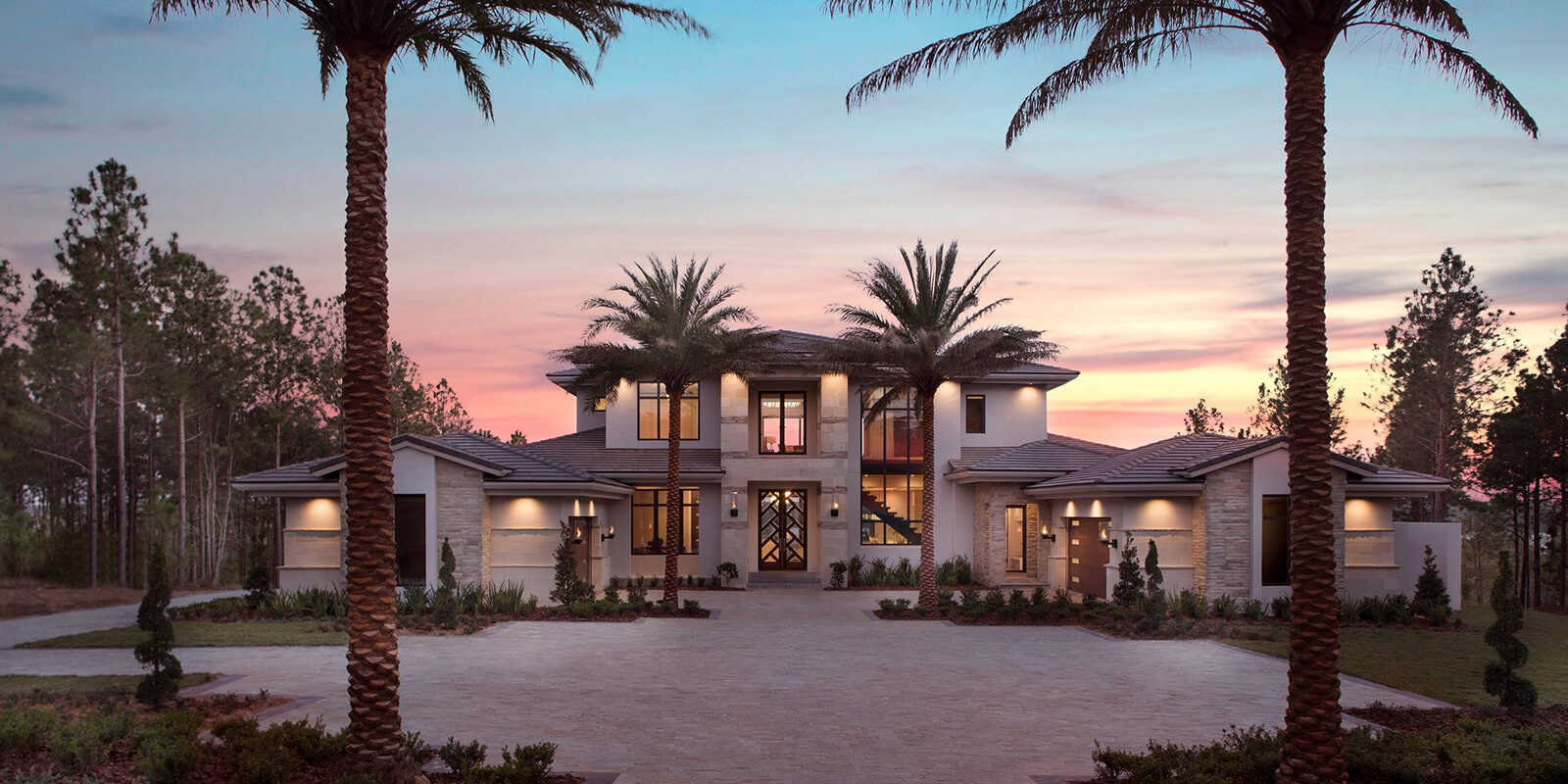
A waterfront address can change the way a home is experienced every day: morning light across the lake, a private dock at the edge of the lawn, and a view that creates distance from the pace of the city. Yet waterfront estates are not interchangeable luxury properties. In Orlando, their value is shaped by the quality of the water, legal access, lot orientation, construction details, and the lifestyle a particular shoreline can realistically support.
For discerning buyers, the right property is more than a home with a water view. It is a long-term asset, a private retreat, and often a legacy purchase. That calls for a more detailed evaluation than square footage, finishes, and bedroom count alone.
What Defines Orlando Waterfront Estates
Central Florida offers a wide range of waterfront settings, from expansive chain-of-lakes properties in Windermere to established lakefront homes near Winter Park, Dr. Phillips, and Lake Butler. Some estates offer direct access to water suitable for boating and watersports. Others sit on private lakes, conservation ponds, or smaller bodies of water where the view is the primary benefit.
That distinction matters. A home marketed as waterfront may have a beautiful shoreline but limited recreational access, no ability to add a dock, or water conditions that differ substantially from a larger connected lake system. Buyers should clarify what type of water borders the property and what rights come with the ownership before assigning a premium to the address.
True estate-caliber waterfront properties often combine several attributes: a substantial lot, a meaningful water view, privacy from neighboring homes, strong architectural presence, outdoor living areas, and access that supports the owner’s intended lifestyle. In the most sought-after locations, scarcity is a significant part of the value proposition. There are only so many buildable lakefront parcels and only so many homes positioned correctly on premier water.
The Water Matters as Much as the House
Not every lake offers the same experience. Before making an offer, buyers should understand whether the water is public or private, whether it is navigable, and whether it connects to other lakes. A chain-of-lakes location may appeal to boaters who want to travel beyond their own shoreline, while a private lake can deliver a quieter setting with fewer boaters and a more controlled atmosphere.
Water levels, vegetation management, lake maintenance, and boating rules can affect enjoyment and future resale. A property with a dock or boat lift should be evaluated closely for condition, permits, dimensions, and suitability for the buyer’s vessel. A dock that looks impressive in listing photos may be nearing the end of its useful life, may require repair, or may not comply with current requirements.
Orientation deserves equal attention. West-facing water views can create dramatic sunsets, but they may also produce stronger afternoon heat on outdoor terraces. An east-facing rear exposure may suit buyers who use their outdoor space in the morning. Mature trees can add privacy and character, although they can also restrict views, affect landscaping costs, and create maintenance considerations during storm season.
Shoreline Rights, Setbacks, and Improvements
A waterfront parcel is governed by more than its property lines. The area between the home and the water can involve easements, environmental restrictions, permitting requirements, association standards, and local or state regulations. These factors can influence whether an owner may build a new dock, expand an existing one, install a boat lift, modify a seawall, or create additional outdoor features.
Buyers considering renovations should investigate these questions before closing, not after architectural plans are underway. A seller’s past use of a dock, boathouse, or shoreline structure does not automatically confirm that future modifications will be approved.
Seawalls and shoreline stabilization deserve particular scrutiny. A deteriorating seawall can become a substantial capital expense, and repair work may involve permitting, engineering, and timing constraints. On natural shorelines, erosion control and vegetation management may require specialized solutions. A qualified inspection team should evaluate visible conditions, but buyers should also ask for available permits, repair records, surveys, and documentation related to waterfront improvements.
For a high-value acquisition, the due diligence file should generally include:
- A current survey showing the lot, water boundary, easements, and improvements
- Available dock, seawall, and shoreline permits
- Property insurance quotes that reflect the home’s actual replacement cost
- Inspection findings for the roof, drainage, exterior envelope, dock, and mechanical systems
- Association documents, where applicable, including rules governing water use and exterior changes
Insurance and Construction Require a Closer Look
Luxury waterfront homes often have construction features that affect insurance availability and cost. Age and condition of the roof, impact-rated openings, electrical systems, plumbing materials, elevation, drainage, and proximity to water all deserve careful attention. Even when a property is not in a high-risk flood zone, a buyer should consider flood exposure as part of a complete risk review rather than relying on a minimum lending requirement.
Insurance should be evaluated early in the contract period. This is especially relevant for estates with high replacement values, guest houses, detached garages, pools, docks, extensive landscaping, or custom finishes that would be costly to reproduce. The lowest premium is not always the best decision if coverage limits, exclusions, or deductibles leave important parts of the property underprotected.
Buyers also benefit from looking at the home as a system. Does the grading move rainwater away from the residence? Are outdoor kitchens, terraces, and pool areas designed for Florida’s heat and rainfall? Has the property been maintained with the long term in mind? Exceptional waterfront homes are built and cared for differently, and the records should support the presentation.
Location Still Drives Resale Value
Waterfront can command attention, but location remains the foundation of long-term value. A lakefront home in a respected neighborhood with convenient access to private schools, dining, business districts, golf, and major roadways will often attract a broader buyer pool than a comparable home in a more remote setting.
This is why Windermere, Winter Park, Lake Nona, and Dr. Phillips each appeal to different luxury buyers. Windermere may suit those seeking larger lots, lake access, and a more private residential atmosphere. Winter Park attracts buyers who value established character, cultural amenities, and proximity to Park Avenue. Lake Nona can be compelling for buyers focused on newer construction, health and technology corridors, and access to Medical City. Dr. Phillips offers proximity to Restaurant Row, entertainment, and major employment centers while maintaining access to select lakefront opportunities.
No single community is objectively best. The right choice depends on whether the buyer prioritizes boating, commute time, walkability, new construction, lot size, privacy, or a particular school and lifestyle preference. A well-advised purchase weighs the emotional appeal of the view against the practical realities of daily living and eventual resale.
How to Value a Waterfront Home Correctly
Comparable sales are essential, but waterfront valuation requires more than matching bedroom count and square footage. A property on a premium lake with open views, a usable dock, deep water access, and strong privacy should not be compared casually with a home on a retention pond or a smaller lake with restricted use.
The strongest analysis considers the quality of the water frontage, view corridor, lot shape, water access, condition of improvements, architectural caliber, neighborhood prestige, and renovation potential. In some cases, the land and location account for a greater share of value than the existing structure. In others, a recently renovated home with sophisticated outdoor living and properly permitted waterfront features will justify a meaningful premium.
For sellers, presentation should make these distinctions clear. Professional marketing should show the water experience, dock, shoreline, outdoor spaces, approach to the home, and relationship to the surrounding neighborhood. A luxury buyer is purchasing a lifestyle, but sophisticated buyers still want evidence that the property supports the asking price.
A More Deliberate Way to Buy
Waterfront estates reward patience. The right home may require waiting for a rare lake, orientation, lot, and location combination rather than compromising on the details that cannot be changed. Finishes can be updated. A kitchen can be reimagined. The underlying water access, parcel position, neighborhood, and view cannot.
For buyers entering the Orlando luxury market, experienced representation can help separate a compelling waterfront setting from a costly assumption. Luxury Living Orlando approaches these purchases with attention to both the personal experience of the home and the transaction details that protect the investment. The best waterfront estate is the one that feels exceptional on the first visit and remains a sound decision long after the closing day.