

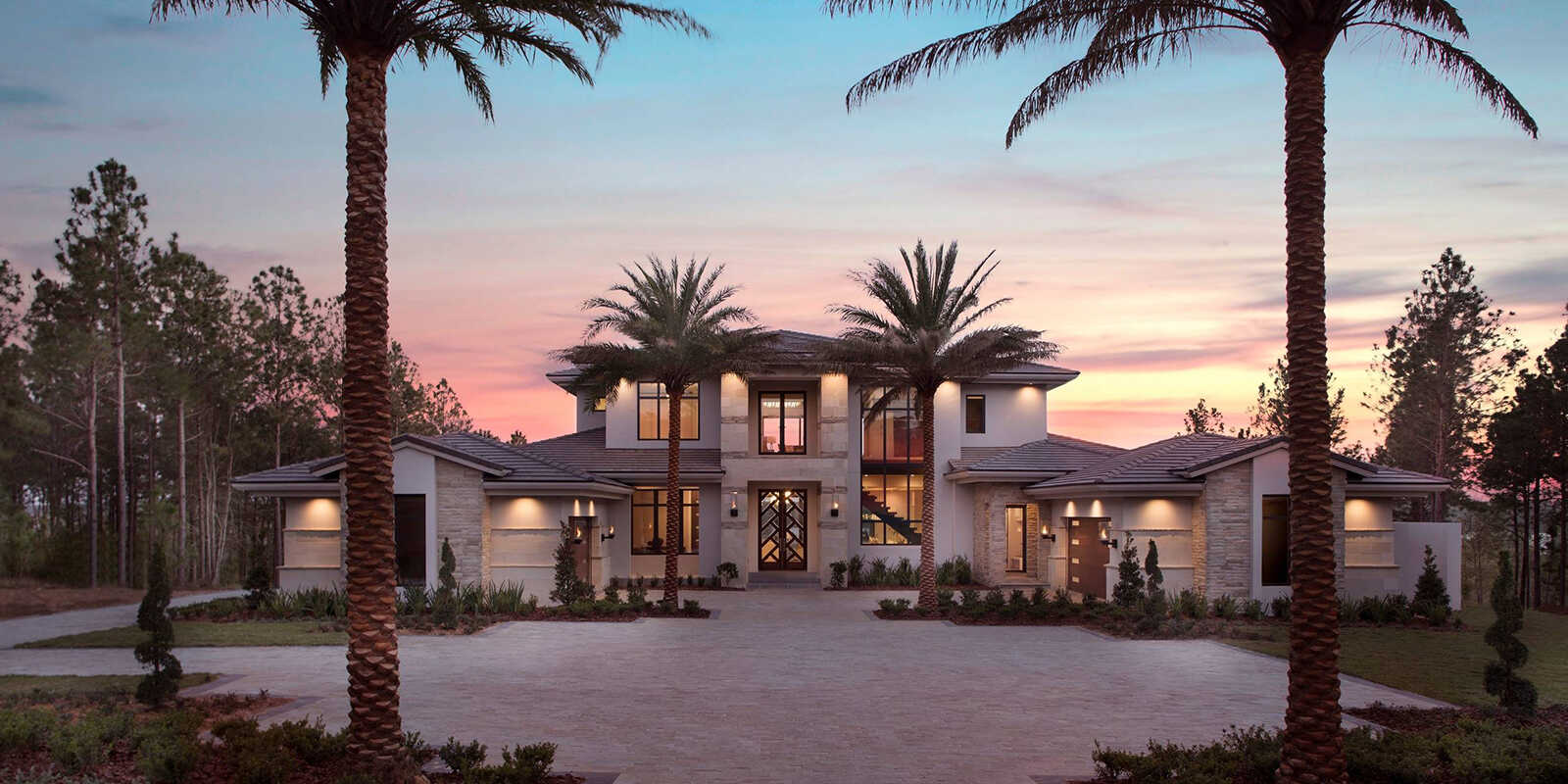
A buyer walks into a home and makes a judgment long before reaching the kitchen. In Orlando, that judgment often begins at the entry, continues through the sightlines, and ends at the lanai or pool area. The top upgrades that increase value are not always the most expensive projects. They are the improvements that remove buyer objections, support the home’s price tier, and make the property feel ready for Florida living.
For a seller in Windermere, Winter Park, Lake Nona, Dr. Phillips, or Downtown Orlando, the right strategy depends on the home’s condition, neighborhood competition, and likely buyer profile. A well-executed upgrade can strengthen perceived value and shorten market time. An overbuilt renovation, however, may not deliver a dollar-for-dollar return.
Start With the Upgrades Buyers Cannot Ignore
Before considering finishes and design trends, address the systems and maintenance items that influence a buyer’s confidence. In a market where insurance costs, inspections, and financing conditions can affect negotiations, major deferred maintenance gives buyers leverage.
A newer roof is often one of the most meaningful value drivers for a Florida property. Buyers want clarity on remaining useful life, wind-mitigation features, permits, and transferable warranties where applicable. Even when a roof does not create a dramatic visual impression, it can prevent inspection concerns and improve a buyer’s comfort with insurability.
HVAC condition matters just as much. Orlando’s climate places substantial demands on cooling systems, and buyers will notice an older unit, inconsistent temperatures, poor airflow, or dated thermostats. Replacing a failing system, servicing functional equipment, sealing ducts when appropriate, and documenting maintenance can create confidence without turning the project into a cosmetic exercise.
Windows, exterior doors, drainage, and electrical panels also deserve attention. The goal is not to replace every component simply because it is older. The goal is to eliminate known issues and make sure the home’s major systems support the asking price. A luxury buyer may still expect a recently updated roof and efficient HVAC in a home with a renovated kitchen and resort-style outdoor space.
Kitchen Improvements That Support a Stronger Price
The kitchen remains one of the top upgrades that increase value because it carries both emotional and practical weight. It is also an area where sellers can overinvest quickly. A $150,000 custom kitchen may be appropriate for a high-end lakefront home, but not necessarily for a property competing in a more modest move-up segment.
For many Orlando homes, the best kitchen strategy is a polished, current, cohesive presentation. Cabinet refacing or professionally refinishing solid cabinetry can be a smart alternative to full replacement. Updated hardware, quality lighting, a contemporary faucet, and durable quartz or natural-stone counters can transform the room when the layout already works.
Appliances should match the home’s position in the market. In luxury properties, buyers often expect premium brands, integrated refrigeration, gas cooking where available, wine storage, and a well-designed pantry. In a mid-market home, a coordinated stainless-steel suite may deliver a better return than specialty appliances that do not match surrounding sales.
Avoid highly personal choices. Brightly colored cabinetry, unusual tile patterns, and overly ornate fixtures can narrow the buyer pool. Timeless materials with warmth and texture tend to photograph well and allow buyers to picture their own lifestyle in the space.
Bathrooms Should Feel Clean, Current, and Intentional
Bathrooms do not need a full gut renovation to make an impact. Grout restoration, fresh caulking, updated mirrors, modern lighting, new faucets, and a quality vanity can change the impression of an older bath. If the shower is dated or damaged, a properly designed walk-in shower with clean tilework and clear glass is often a compelling improvement.
In executive and luxury homes, the primary bath should feel like a retreat rather than an afterthought. Buyers respond to generous lighting, a functional shower, thoughtful storage, and a finish level consistent with the rest of the home. A freestanding tub can be attractive, but only when the room has enough scale and the installation does not compromise function.
Outdoor Living Has Extra Weight in Central Florida
Orlando buyers do not view outdoor space as a seasonal bonus. They see it as part of the home’s usable living area. A tired lanai, neglected pool deck, or poorly maintained screen enclosure can make an otherwise impressive home feel unfinished.
Begin with condition. Repair cracked pavers, refresh stained concrete, clean the enclosure, improve landscape edging, and make sure pool equipment is operating properly. If the pool surface or tile is visibly worn, resurfacing may be worth considering, particularly in neighborhoods where pools are common and expected.
Then focus on how the space is used. Covered seating, a summer kitchen, upgraded fans, landscape lighting, and a fire feature can all elevate a backyard, but their value depends on the setting. A modest home may benefit most from a clean, shaded seating area. A premium property in Lake Nona or Windermere may justify a more substantial outdoor kitchen and entertaining zone, provided the design fits the architecture and lot.
Privacy is another underrated improvement. Strategic landscaping, mature plantings, tasteful fencing, or motorized screens can improve the experience without making the yard feel closed in. Buyers are paying for a lifestyle, especially when a home offers golf, water, conservation, or skyline views.
Curb Appeal Establishes Value Before the Showing Begins
Exterior presentation is often one of the most cost-effective places to improve a listing. Fresh paint, a refined front door, updated house numbers, clean walkways, and healthy landscaping signal care. In Florida, pressure washing roofs, driveways, pavers, soffits, and screened enclosures can make a particularly noticeable difference.
The front entry should suit the home rather than chase a passing trend. A contemporary residence may benefit from a sleek pivot door and architectural lighting. A traditional Winter Park home may call for classic hardware, warm paint colors, and layered landscaping. What matters is that the first impression feels intentional.
Do not overlook irrigation and drainage. Brown patches, standing water, and overgrown shrubs can make buyers question maintenance throughout the property. A landscape refresh does not need to be elaborate, but it should frame the home, preserve sightlines, and photograph well.
Flooring, Lighting, and Paint Can Modernize the Entire Home
Some upgrades deliver value because they make every room feel more cohesive. Flooring is a prime example. Replacing worn carpet, mismatched tile, or damaged laminate with a consistent material can improve flow and perceived square footage. Wide-plank engineered hardwood, quality porcelain tile, and luxury vinyl plank each have a place depending on the property, maintenance expectations, and budget.
Lighting is another high-impact detail. Dated fixtures can make a renovated room look unfinished, while a layered lighting plan can bring dimension to a home. Consider recessed lighting where it is lacking, statement fixtures in dining and entry areas, under-cabinet kitchen lighting, and dimmers in entertaining spaces. Electrical work should always be completed by qualified professionals with appropriate permits when required.
Neutral paint remains one of the strongest pre-listing investments. This does not mean every room must be stark white. Soft warm neutrals, muted earth tones, and restrained contrast can add sophistication while allowing architectural details and natural light to stand out.
Spend Where Your Neighborhood Supports the Investment
The most valuable upgrade is not universal. A condo buyer in Downtown Orlando may place more value on updated interiors, smart-home features, and building amenities than a backyard renovation. A family relocating to Lake Nona may prioritize a functional kitchen, flexible living spaces, newer systems, and an outdoor area. In established luxury neighborhoods, buyers may expect high-end finishes as a baseline, but they will still scrutinize roof age, windows, pool condition, and maintenance records.
Before committing to a major project, compare the home against active competition and recent comparable sales. Ask what buyers will see as missing, what features are already expected, and whether a renovation will move the property into a different pricing conversation. This is where a pre-listing consultation and realistic valuation can protect sellers from spending heavily in the wrong places.
A disciplined approach usually works best: resolve major condition concerns, improve the spaces buyers experience most, and present the property at a finish level that belongs in its market segment. The right upgrades do more than support a number on paper. They give buyers fewer reasons to hesitate and a clearer reason to choose your home.